The Un-Black Coat: Winter's Smartest Neutral Isn't the Default
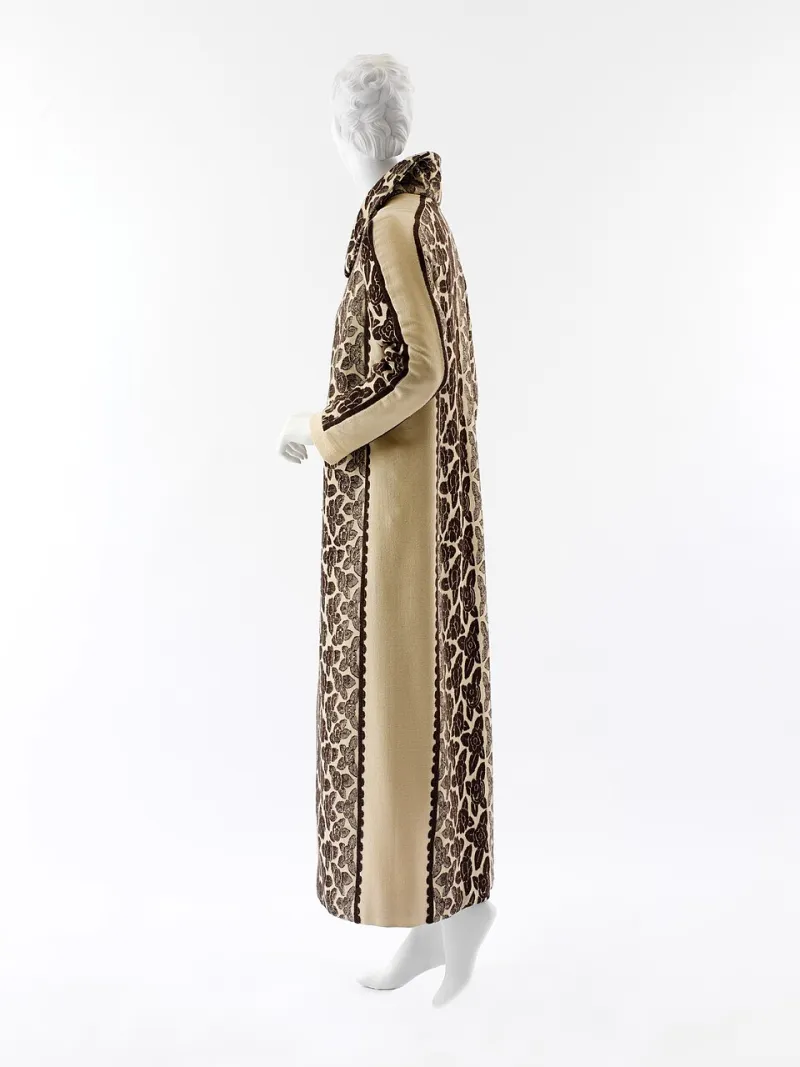
Photo: Paul Poiret, CC0, via Wikimedia Commons
Every November, the coat racks fill with black. It is safe, it is sharp, and it hides a commute. But the most considered winter wardrobes often skip the default entirely. A cream coat—somewhere between ecru, oat, and coffee with too much milk—does something black cannot: it makes the rest of your outfit look deliberate. Not dressed up. Not precious. Just finished.
Why Pale Works Harder Than You Think
Black absorbs light. Cream bounces it. That difference matters in winter, when the sky is flat and the streets are gray. A pale coat lifts a plain jeans-and-sweater uniform without asking you to add a scarf, a brooch, or a personality. It also plays well with the colors already in your closet: denim, charcoal, navy, camel, olive, and every shade of brown. Black can feel like a punctuation mark. Cream feels like a full sentence.
There is a practical argument, too. Cream shows texture. A wool blend with a little nap, a boiled wool jacket, a sherpa collar—these read as rich in pale colors and can look flat in black. And because cream is not a trend color, it tends to stay in rotation. The goal is not to look like a winter catalog. The goal is to look like you own your coat, not the other way around.
Fabric First, Always
A cheap cream coat is a very visible cream coat. Pale fabric has nowhere to hide: thin polyester, loose weave, and shiny lining all show up in daylight. Look for dense wool, wool blends with at least some natural fiber, boiled wool, or a heavy knit. Double-faced wool is the gold standard under $300 because it is warm without bulk and usually has clean, unlined edges. If the coat is lined, check that the lining is smooth and not staticky.
Color matters within the category, too. Stark white is the least forgiving. Ecru, oat, sand, and pale stone are easier to live with and easier to pair with black boots and dark denim. If you are buying online, read the description for words like ivory, cream, bone, and oatmeal—then expect the photo to be a little brighter than real life. A slightly warmer tone will flatter more skin tones and hide more than a cool blue-white.
The Salt-and-Slush Reality
Winter is not a dry-clean-only experience. Sidewalks are salted. Snow turns to gray slush. A cream coat will meet the world, and that is fine. Treat it before the first wear with a fabric protector made for wool or outerwear. Keep the hem above the splash zone if you walk a lot—mid-calf is usually safer than ankle-length. Blot stains with a clean cloth instead of rubbing, and keep a lint roller by the door. Salt lines on the hem are the most common issue; a damp cloth and a little wool-safe soap usually handle them if you act before the stain sets.
Dry clean sparingly. Wool likes air. Hang the coat overnight, brush it with a soft garment brush, and let it recover. A cream coat is not fragile. It is just honest. It shows what you did in it, which is why it looks better on someone who actually wears it than on someone who treats it like a costume.
Layer Texture, Not Just Color
The easiest way to make a pale coat look intentional is to keep the outfit tonal and let texture do the talking. Try a cream coat over an oatmeal sweater, gray wool trousers, and dark brown boots. Or pair it with light-wash denim and a black turtleneck—the contrast keeps it from feeling too sweet. Leather gloves, a canvas tote, and a ribbed beanie add grit. A silk scarf adds shine. The coat is the background; the textures are the point.
Accessories are where cream earns its keep. A cream knit scarf, beanie, or gloves can tie a dark coat and a light coat together without matching exactly. Vary the shade by a step or two. Oat scarf, ecru coat, bone beanie. That kind of near-match looks collected rather than purchased in one trip.
A Short Shopping Guide Under $300
Start with the coat, then add one knit accessory. That is enough.
- Wool-blend topcoat, $180–$300: Look for a dense hand, a little weight, and a lining that does not feel like plastic. Uniqlo, Quince, J.Crew Factory, Mango, and COS sale are reliable places to start. Check the fiber content—20 to 60 percent wool is realistic at this price.
- Boiled wool jacket, $120–$200: A shorter, boxier shape works over sweaters and feels less formal than a topcoat. It also hides texture and small marks better than a smooth weave.
- Sherpa or fleece coat, $80–$150: The casual option. Choose a cream that leans oat rather than bright white, and check the collar for pilling.
- Knit scarf, $30–$80: A chunky ribbed scarf in ecru or oat makes a dark coat feel new and a cream coat feel finished.
- Beanie and gloves, $25–$60 each: Look for wool or wool blends. A cream beanie with a dark coat is one of the easiest winter moves there is.
Fit matters more than label. Leave room for a mid-weight sweater. Check the sleeve length with your arms forward. And choose a hem you can walk in—if it drags, it will wick up salt and water and you will resent it by January.
The Takeaway
A black coat is not wrong. It is just the default. A cream coat asks you to be a little more deliberate, and that is the point. Buy one in a fabric that can take a real winter, treat it like a tool, and let it get a little worn. The finish is the whole idea.